
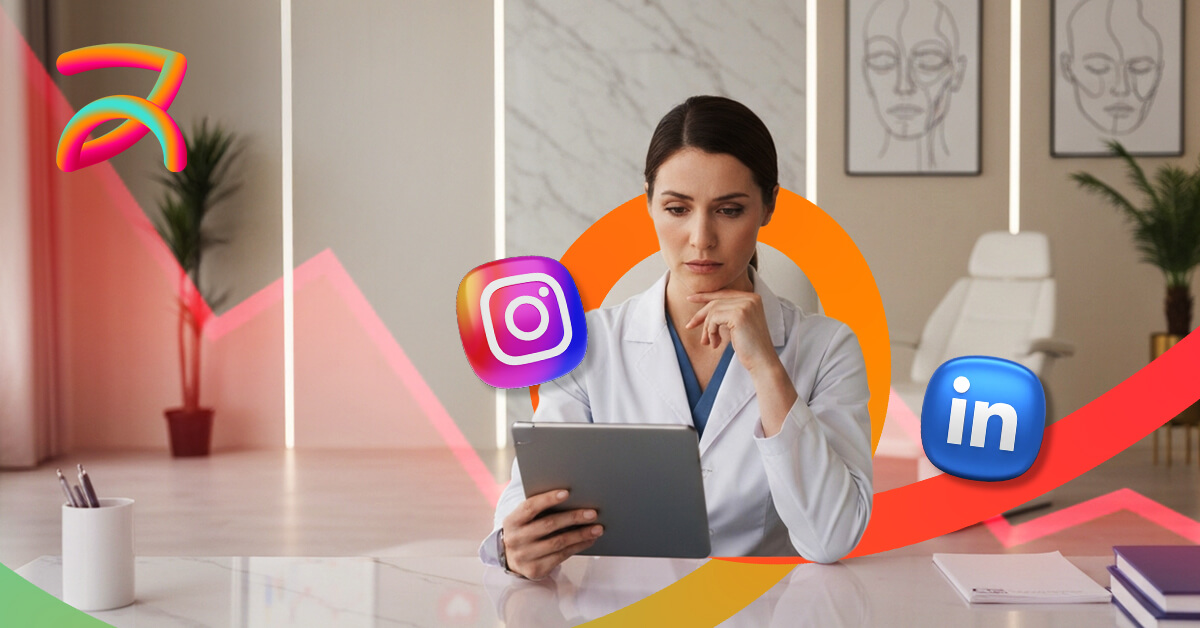
Cosmetic surgery Clinics struggle to drive bookings when their social media posts create unrealistic expectations and share inaccurate information. Filters, AI-generated images, and flashy influencer content can make surgery appear easier and more perfect than it really is. Clinics that chase trends instead of building trust lose clients, who seek reliable guidance elsewhere. Successful practices create clear, trustworthy content that guides clients to feel confident about booking a consultation.
Social media is a powerful tool for cosmetic surgery, but it works only when it builds trust and demonstrates real results. Clients use social platforms to research procedures, compare surgeons, and decide where to book. Posts that show outcomes, explain procedures, and highlight genuine experiences reassure clients and make them more likely to schedule consultations.
In this guide, you’ll learn:
- How cosmetic surgeons can avoid common mistakes that reduce bookings
- Why misleading or generic content fails to convert clients
- How trust and credibility influence client decisions
- Strategies to turn social media engagement into real consultation requests
- Practical tips for creating content and optimizing profiles
- How to use both organic and paid social media to connect with high-value clients
Key Social Media Issues Reducing Cosmetic Surgery Bookings
| Issues | What It Looks Like / Causes | Impact on Bookings |
| Unrealistic Expectations | Filters, AI images, and flashy influencer content make surgery look easier | Clients feel misled or unsure, reducing their confidence to book |
| Misinformation | Social media posts share inaccurate procedure details or recovery timelines | Clients lose trust in the clinic and look elsewhere for guidance |
| Trend-Chasing Content | Clinics follow trends instead of building consistent, trustworthy content | Clients consider the clinic unreliable, lowering conversion to consultations |
| Lack of Clear Guidance | Posts fail to guide clients on the next steps or consultations | Potential clients hesitate and do not schedule consultations |
How Social Media Creates Unrealistic Expectations and Misinformation?
Social media creates unrealistic expectations in cosmetic surgery by showing perfection that does not exist in real life. Filters, edited photos, and staged before-and-after posts make results look effortless and flawless. Influencers promote procedures without explaining risks, recovery, or limits. Many of them lack medical training, yet their content significantly influences how people perceive surgery.
This constant stream of curated beauty pushes people to chase digital ideals instead of realistic outcomes. As a result, clients feel confused, anxious, or disappointed, and many delay booking consultations or seek alternative trustworthy medical guidance.
Through our experience managing social media for cosmetic surgeons, we’ve seen that posts focusing on instant results or viral trends fail to educate clients properly. Clear, realistic content builds trust and leads to more consultation bookings.
How Do AI Images, Filters, and Edited Results Distort Client Expectations?
Social media shows cosmetic results shaped by filters, AI tools, and heavy editing, not real surgery outcomes. These visuals make procedures look flawless, instant, and risk-free. Clients start expecting results that medicine cannot safely deliver. This gap creates confusion before any consultation begins.
- Filters smooth skin and removes natural texture
- AI reshapes facial features beyond medical limits
- Edited photos hide swelling and healing stages
- Before and after posts lack medical context
- Clients expect identical results for everyone
- Natural anatomy differences get ignored
When clinics fail to correct these false expectations early, clients arrive with unrealistic goals or avoid booking altogether. Over time, this mismatch damages trust, increases dissatisfaction, and pushes serious patients to look for clearer medical guidance outside social media.
How does Instant Transformation Culture Ignore Recovery, Risk, and Suitability?
Social media highlights dramatic reveals but avoids the medical journey behind them. Content focuses on final looks while skipping recovery, discomfort, and safety checks. This approach makes surgery appear simple and low-risk. Clients then feel surprised or skeptical when clinics explain reality.
- Results receive more attention than recovery timelines
- Swelling, pain, and downtime stay hidden
- Medical screening rarely appears in content
- Risk discussions feel unpopular and get skipped
- Suitability varies, but the content shows one outcome
- Long-term care gets little attention
Many clients lose confidence when expectations shift suddenly. Others delay booking because they feel unprepared, unsure, or misled by what they first saw online.
How Unqualified Creators Spread Inaccurate Procedure Information?
Social media gives loud voices to people without medical training. Influencers and creators share opinions as facts and personal stories as advice. This content spreads fast and confuses potential clients. Clinics then lose control of how procedures get explained.
- Influencers speak without medical credentials
- Personal stories replace clinical standards
- Risks get minimized for engagement
- Recovery advice lacks medical accuracy
- Popular creators overshadow qualified surgeons
- Clients struggle to identify real expertise
As misinformation spreads, trust shifts away from social platforms. High-intent clients start searching for surgeons who explain procedures clearly and responsibly. Clinics that rely only on social media without correcting these narratives lose serious prospects before conversations even begin.
Why Social Media Erodes Trust and Medical Credibility?
Social media erodes trust and medical credibility in cosmetic surgery by promoting unrealistic beauty standards, filtered perfection, and financial conflicts of interest. Clients see idealized results and influencer content, which makes it hard to distinguish between qualified surgeons and unverified sources. This distorted perception leads clients to request impossible outcomes and ignore essential medical advice.
The influencer-style content and flashy promotions shift focus away from medical expertise. Cosmetic surgeons may appear like entertainers rather than trusted professionals, even when their skills and safety protocols are solid. This emphasis on trends and aesthetics over real medical guidance undermines the authority of surgeons in the eyes of potential clients.
A 2025 PubMed analysis found that nearly 28% of Instagram accounts claiming to be plastic surgeons were not board‑certified, and 22% had no formal plastic surgery training. This highlights why clients struggle to trust social media content and reinforces the need for clinics to post clear, professional, and educational content that establishes real expertise.
How Influencer-Style Content Weakens Professional Perception?
Influencer-style posts can make clinics and surgeons seem more like entertainers than serious medical professionals. When social media emphasizes flashy visuals, trending challenges, or viral moments, it distracts from the expertise and safety clients need.
- Excessive filters and glamour shots distort realistic expectations
- Trendy editing and effects prioritize style over information
- Focus on viral trends reduces perceived professional authority
- Quick, flashy posts overshadow detailed procedure explanations
- Clients may question whether the surgeon is credible or knowledgeable
By overemphasizing entertainment, social media content can unintentionally erode the trust clients need to feel safe booking a consultation. Clinics should balance attention-grabbing content with professional, informative messaging that highlights expertise and care.
Why Do Surgeons Appear as Entertainers Rather Than Medical Experts?
When surgeons adopt influencer behaviors online, they risk looking like personalities rather than professionals. Highlighting lifestyle content over educational insights can confuse clients about the surgeon’s primary role and qualifications.
- Posting personal or casual lifestyle content may reduce perceived professionalism
- Entertainment-focused content shifts attention away from medical expertise
- Humor or viral trends can undermine authority for serious procedures
- Clients may prioritize personality over surgical skill
- Critical details about risks and recovery can get lost in the feed
To maintain credibility, surgeons must present themselves as experts first, using social media to educate and inform while selectively sharing personal touches.
How Trend-Driven Demand Replaces Medically Sound Decisions?
Social media trends can drive client interest, but they also risk encouraging decisions based on popularity rather than medical need. When clinics chase viral procedures or trending aesthetics, clients may prioritize the latest look instead of what’s suitable for them.
- Viral procedures can create pressure to follow trends
- Clients may request surgeries inappropriate for their anatomy or health
- Trend-focused content neglects personalized recommendations
- Unrealistic expectations increase dissatisfaction and risk
- Clinics may see short-term engagement, but fewer qualified bookings
Focusing on trend-driven content can undermine the patient journey. Clinics that prioritize trust, education, and tailored guidance build sustainable bookings and ensure clients make informed decisions about their procedures.
Why Vanity-Focused Content Fails to Educate Serious Clients?
Vanity-focused social media posts often fail to educate serious cosmetic surgery clients because they highlight idealized results instead of important medical realities. Posts focus on perfect looks, trends, or quick transformations, leaving out details about safety, recovery, risks, and procedure suitability. Serious clients want accurate information and a trustworthy surgeon, not just eye-catching marketing content.
Educational gaps make clients hesitant or anxious, as they do not get answers about what to expect or whether a procedure is right for them. Without addressing these concerns, social media engagement does not convert into consultations.
According to industry analysis, many U.S. plastic surgery practices now realize that followers, likes, and views do not create trust or consultations. High-quality educational content and meaningful engagement are far more effective in helping clients make informed decisions.
Why Does Aesthetic-Only Content Avoid Risks, Recovery, and Limitations?
Vanity-focused posts emphasize perfect results and beauty trends, but they rarely address the real medical aspects of cosmetic surgery. Clients don’t see the risks, recovery time, or limitations, which are critical for informed decisions. This leaves serious clients confused or unprepared.
- Highlights only idealized outcomes
- Ignores procedure risks and complications
- Leaves out recovery timelines and post-op care
- Overlooks patient suitability and limitations
- Focuses on trending aesthetics rather than realistic results
When content avoids medical realities, clients can make decisions based on incomplete information. Clinics miss the chance to educate and guide clients through the full surgical journey, which reduces trust and lowers the likelihood of consultation bookings.
How Fear, Hesitation, and Eligibility Concerns Remain Unaddressed?
Posts that only show perfect results fail to address common client concerns. Serious clients often hesitate because they fear complications, are unsure about recovery, or question whether they are suitable candidates. Without addressing these concerns, social media cannot convert interest into bookings.
- Fails to reassure clients about safety
- Does not clarify who is a good candidate
- Ignores common fears and misconceptions
- Leaves questions about downtime and results unanswered
- Misses the opportunity to reduce anxiety before consultation
Ignoring these concerns allows hesitation to grow. When clients do not feel informed and supported, they delay or avoid booking a consultation, making social media an ineffective tool for serious decision-making.
Why Do Clients Leave Social Platforms to Seek Medical Clarity?
When social media content focuses solely on looks and trends, clients quickly realize they need more reliable information. They leave platforms and turn to search engines, forums, or other sources to find medically accurate guidance from qualified professionals.
- Clients search elsewhere for safety and procedure details
- Social content rarely answers complex medical questions
- Lack of structured educational content reduces confidence
- Serious clients want verified, trustworthy sources
- Platforms fail to provide the depth needed for informed decisions
Clients will abandon superficial posts if they cannot find clear, credible guidance. Clinics that fail to provide trustworthy, informative content lose potential consultations, while those who educate clients effectively build long-term trust and drive bookings.
How Trend-Chasing Content Fails to Build Real Authority?
Trend-chasing content often focuses on what’s viral rather than what builds trust and expertise. Cosmetic surgeons who prioritize short-term likes and shares over long-term credibility risk losing serious clients. When posts copy trends instead of providing unique, informative content, clinics fail to show their true authority and experience.
Short-term campaigns like viral challenges or promotional posts create quick engagement but do not establish lasting credibility. When content prioritizes likes and shares over education, clients cannot see the surgeon as a reliable authority. Consistent, informative content builds confidence, while trend-only posts erode it. For clinics looking to convert social engagement into consultations, our professional social media management services can provide the guidance and structure needed to see real results.
Through over five years of managing social media for cosmetic surgeons, we’ve seen that trend-chasing content fails to build real authority. Without clear information on procedures, risks, and recovery, clients lose trust and confidence. Trendy posts alone do not demonstrate expertise, while clinics that consistently share educational and informative content establish credibility and are recognized as true authorities in cosmetic surgery.
How Repetitive Formats Dilute Surgeon-Specific Expertise?
Repeating the same trends or viral formats makes surgeons appear generic instead of highlighting their unique skills and knowledge. Clients see patterns, not professional differentiation, and may assume all clinics are the same.
- Uses the same memes, challenges, or formats repeatedly
- Fails to highlight surgeon experience or specialized procedures
- Ignores patient-specific educational needs
- Overemphasis on trends reduces credibility
- Clients may perceive posts as marketing noise rather than helpful guidance
Repetitive content leaves clients unsure why they should choose one clinic over another. Showing real expertise and distinctive procedures builds authority, while trend-only posts erode it.
Why Do Short-Term Campaigns Fail to Create Long-Term Trust?
Campaigns that focus on quick wins like viral challenges or temporary promotions generate short-lived engagement but do not build lasting client relationships. Trust grows over consistent, informative, and relevant content.
- Focuses on immediate likes and shares
- Neglects ongoing education about procedures and recovery
- Misses the chance to demonstrate consistent results
- Encourages clients to chase trends instead of making informed decisions
- Reduces the perception of reliability and professionalism
Short-term campaigns give fleeting visibility but do not convince clients to book consultations. Trust develops when clinics consistently provide accurate, meaningful, and authoritative content.
How Does the Lack of Structured Answers Weaken Client Confidence?
When content does not clearly explain procedures, risks, recovery, or outcomes, clients turn elsewhere for information. Trendy posts rarely answer complex questions, leaving serious clients unsure and hesitant.
- Does not provide step-by-step procedure information
- Ignores risk management and recovery details
- Lacks clarity on patient suitability or eligibility
- Leaves questions unanswered, increasing anxiety
- Fails to build a sense of safety and confidence
Without structured, informative content, clients cannot trust the clinic as an authority. Providing clear answers and guidance not only educates clients but also positions the surgeon as a reliable professional, increasing the likelihood of consultation bookings.
Why High-Intent Cosmetic Surgery Clients Are Leaving Social Media?
High-intent cosmetic surgery clients are not leaving social media completely, but they are becoming more selective. They move away from superficial or misleading content and seek sources they can trust. Unrealistic expectations, misinformation, and posts that hide risks make social platforms less reliable for clients making serious decisions.
Social media struggles to answer the detailed questions these clients have about procedures, recovery, and outcomes. Highlight reels and trend-focused content often skip the nuanced information high-value clients need. This lack of depth drives clients to alternative sources for accurate guidance, including direct consultations, medical websites, or professional articles.
According to Definitive Healthcare, roughly 58 % of consumers now use generative AI tools for product and service recommendations, up from 25 % in 2023. This shift towards AI indicates that high-intent clients are increasingly relying on AI-assisted search rather than social media for informed decision-making.
How AI-Driven Search Tools Are Changing Client Discovery?
High-intent clients increasingly start their cosmetic surgery journey on AI-powered search tools instead of scrolling through social media. They want fast, accurate, and trustworthy answers about procedures, recovery, and risks. Social media often cannot provide this level of detail, which drives clients to alternative sources.
- Clients use AI tools like ChatGPT or Gemini to compare procedures and surgeons.
- These platforms prioritize authoritative, structured information over trends or influencer content.
- Social media content is less likely to be indexed or cited by AI, reducing its visibility.
- Clients expect reliable answers immediately, not a mix of entertainment and marketing.
Clinics that fail to provide AI-friendly, clear, and educational information miss early opportunities to engage high-intent clients. By understanding this shift, surgeons can create structured content that answers client questions and maintains authority online.
Why Social Content is not Retrievable or Citable by AI?
Social media posts often lack structure, proper metadata, or depth, which makes them difficult for AI systems to find and cite. High-intent clients who rely on AI for research are less likely to see social content when making decisions.
- Posts with short captions, unverified claims, or trend-focused content are rarely cited by AI.
- Educational content, FAQs, and clearly structured procedure information are more discoverable.
- Social content often mixes entertainment with information, confusing AI algorithms.
- Clients looking for credible guidance prefer sources that AI can access and verify.
Without AI-citable content, clinics miss opportunities to become the default trusted source for high-value clients. Structured, detailed posts help maintain authority and improve client engagement across all channels.
How Information Overload Reduces Decision Confidence?
Social media feeds are crowded with filtered results, trending challenges, and repetitive posts. High-intent clients struggle to differentiate between credible and misleading information, which delays their decisions and may even push them away from booking.
- Overexposure to unrealistic expectations and influencer trends confuses clients.
- Conflicting messages about risks, recovery, and outcomes increase hesitation.
- Clients have to sift through endless posts to find reliable guidance.
- Too much content without clarity lowers confidence in both social media and the surgeon.
Clinics that simplify information, focus on clear educational guidance, and provide authoritative content can reduce overwhelm. Helping clients navigate through noise restores trust and improves their confidence in choosing the right surgeon.
How Most Social Media Strategies Fail to Convert Interest Into Consultations?
Social media strategies often fail because clinics focus on vanity metrics such as follower counts, post likes, and shares instead of driving real client actions. Posts may engage, but without clear guidance, trust, and authority, interest rarely turns into consultation bookings. Generic calls-to-action and inconsistent engagement leave potential clients confused or disengaged.
Many clinics also disconnect content from the client journey. They post without considering where clients are in the decision-making process, miss nurturing leads, and ignore the long sales cycle inherent in elective procedures. This lack of strategy results in missed opportunities and lower conversion rates despite high engagement numbers.
Through over five years of managing social media for cosmetic surgeons, we’ve seen that clinics that ignore structured trust-building, lead follow-up, and meaningful engagement lose high-intent clients. Social media alone cannot replace a thoughtful funnel, and failing to address real client needs means interest never becomes action.
How Clinics Lack Structured Trust Assets for AI and Search?
Many cosmetic surgery clinics focus on trends, visuals, or engagement metrics without creating structured content that establishes authority. High-intent clients now rely on AI tools and search engines for reliable information, so content must be detailed, organized, and credible to be discovered.
- Missing FAQ-style posts or structured procedure guides limit AI discoverability.
- Generative AI and search systems ignore social content that lacks depth.
- Clinics often focus on short-term campaigns instead of building long-term trust assets.
- Clients cannot verify claims if the content does not clearly present risks, recovery, and credentials.
Without structured, authoritative content, clinics miss opportunities to position themselves as the go-to source for informed patients. Developing trust assets helps ensure social media and web content actually guide clients toward consultations.
For a closer look at why engagement doesn’t always turn into booked consultations, check out our guide Why Instagram DMs Bring Cosmetic Surgery Leads But Not Bookings And How To Fix
How Unstructured Funnel Breaks the Path to Consultation?
Even when clients engage with posts, many clinics fail to guide them toward booking. A lack of clear funnels or follow-up systems creates friction, leading to lost opportunities.
- Posts generate curiosity but offer no direct consultation link.
- DMs or inquiries are slow or inconsistent, discouraging follow-through.
- Clinics fail to segment audiences or nurture warm leads for high-intent clients.
- Without a step-by-step path, interest rarely converts into booked appointments.
A well-defined funnel from content engagement to inquiry to booking ensures that every social interaction contributes to consultation growth. Clinics that implement structured funnels see higher conversion rates and better ROI on their social media efforts.
Why Vanity Metrics Hide Real Performance Issues?
Many clinics focus on likes, followers, or views, thinking they reflect success. These numbers can be misleading because they do not indicate consultation interest or lead quality.
- High engagement does not guarantee that clients are booking consultations.
- Tracking only vanity metrics hides gaps in trust, educational content, and client conversion.
- Social campaigns may look successful superficially, but fail to deliver actual patient inquiries.
- Clinics rarely measure how social media influences the full decision-making journey.
By shifting focus to metrics like inquiries, consultation bookings, and lead quality, clinics can accurately assess performance. This data-driven approach ensures that social media truly supports business goals instead of giving a false sense of success.
The Trust-First Social Media Approach That Drives Cosmetic Surgery Bookings
A trust-first social media approach for cosmetic surgery focuses on education, real patient proof, and visible medical expertise. Clinics build confidence by explaining procedures clearly, sharing real before and after results, and using expert content like videos or Q&A sessions. This approach positions surgeons as trusted professionals instead of online promoters.
When clinics lead with education and social proof, they reduce fear and uncertainty. Patients want to understand risks, recovery, and realistic outcomes before they book. Clear guidance and authentic testimonials help patients feel supported and confident in their decision. Clinics that want to implement these strategies effectively can benefit from our professional social media management for cosmetic surgery, where every post builds trust and drives bookings.
Trust directly influences bookings. According to the World Academy of Cosmetic Surgery, 72% of cosmetic surgery patients check testimonials and reviews before booking a consultation. Clinics that highlight real patient experiences and credible expertise create stronger trust and attract patients who feel ready to move forward.
Shift From Trend-Driven Content to Authority-Building Education
Trend-driven content focuses on sounds, formats, and short-lived attention. Authority-building content focuses on helping people understand surgery clearly. When clinics explain procedures, risks, outcomes, and recovery, they position themselves as reliable medical professionals, not content creators chasing views.
- Explain procedures in plain language
- Share realistic outcomes, not perfection
- Address risks and recovery honestly
- Answer common patient questions
- Focus on clarity over entertainment
When clinics educate instead of chasing trends, they build long-term authority. Clients trust surgeons who teach, not those who follow every viral format.
Set Realistic Expectations by Showing the Full Surgical Journey
Many social posts show only polished results, which creates confusion and false confidence. Serious clients want to understand the full journey before they decide. Clinics that show the entire process help clients feel informed and prepared.
- Consultation reasoning and eligibility
- Preparation before surgery
- Recovery timelines and limitations
- Possible discomfort or downtime
- Long-term results, not instant change
Showing the full journey filters out the wrong audience and builds trust with the right one. Clear expectations reduce fear and improve decision quality.
Reposition Surgeons as Medical Experts, Not Influencer Personalities
Influencer-style posting weakens medical authority. Surgeons do not need to entertain to earn attention. They need to guide decisions with confidence and clarity. When surgeons speak as experts, clients listen differently.
- Speak directly to patient concerns
- Use educational explanations, not hype
- Avoid trend-based performances
- Lead with experience and judgment
- Maintain a professional tone
Clients trust surgeons who act like doctors, not performers. Authority grows when expertise stays at the center of communication.
Structure Social Content to Support Search, AI, and Informed Decisions
Social content should answer real questions clearly. AI tools and search systems surface structured, helpful information, not vague or flashy posts. Clinics that organize content around real concerns stay visible beyond social feeds.
- Answer one clear question per post
- Use simple language and structure
- Cover risks, recovery, and suitability
- Avoid vague captions and buzzwords
- Focus on clarity over creativity
Structured content supports informed decisions and long-term visibility. It also positions the clinic as a reliable source of truth.
Guide High-Intent Clients From Education to Consultation With Clear Next Steps
Education alone does not convert unless clinics guide clients forward. High-intent clients want clarity, not pressure. Simple and clear next steps help serious clients move with confidence.
- Explain who the procedure suits
- State when a consultation makes sense
- Remove confusion from booking steps
- Avoid aggressive sales language
- Respect the client’s decision process
Clear guidance builds trust and authority first. Consultations follow naturally when clients feel informed and respected.
Final Thoughts
Social media fails to drive cosmetic surgery bookings when clinics focus on trends, visuals, and vanity metrics instead of trust and education. High-intent patients want clarity, honesty, and medical credibility before they commit to a life-changing decision. When content ignores risks, recovery, and real expectations, patients leave to find answers elsewhere.
Clinics that win bookings use social media as an education and trust channel, not a popularity contest. They show the full patient journey, answer real questions, and present surgeons as medical experts. This approach builds authority, reduces hesitation, and attracts patients who feel informed and confident.
The future of cosmetic surgery marketing belongs to practices that lead with trust. Clear education, real proof, and structured guidance turn social media from noise into a reliable path toward meaningful consultations and long-term growth.
🎯 How BUZZZ Can Help You?
Let BUZZZ manage your cosmetic surgery social media with a trust-first approach that educates clients and turns serious interest into booked consultations.
Book Your Social Media Strategy Appointment →