
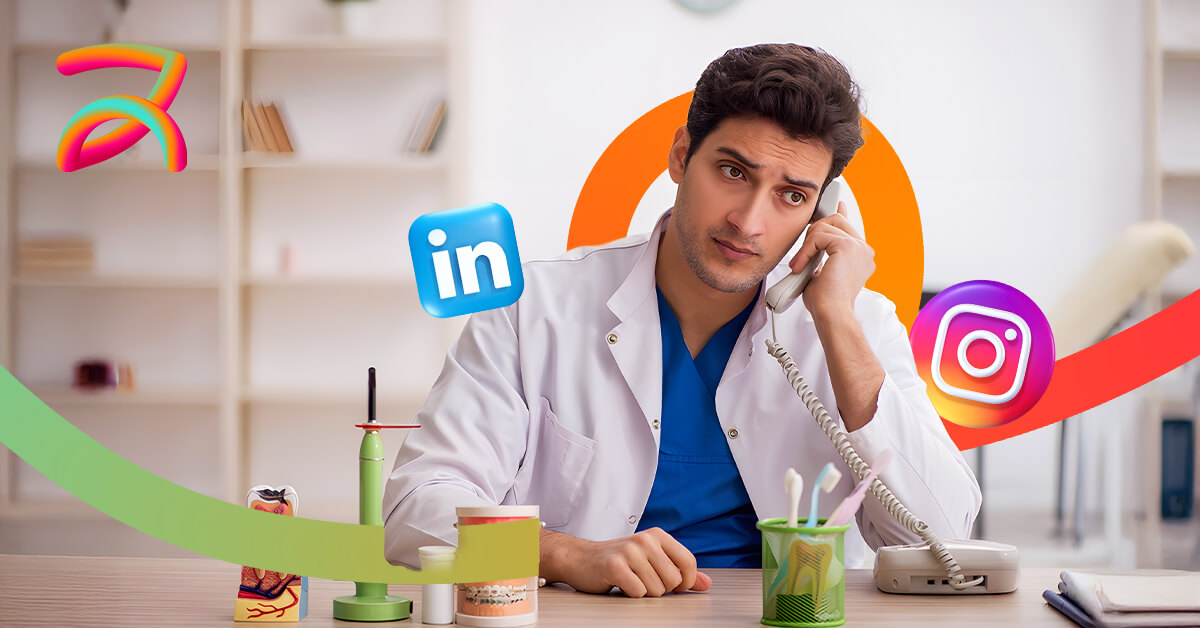
Customer support loses dental leads on social media because of slow response times, missed messages and calls, lack of online scheduling, weak lead qualification, compliance risks in messaging, sending users to generic pages, poor nurturing of low-intent leads, and impersonal or inconsistent replies. When these gaps exist, interested patients disengage quickly and move on to another practice.
Social media patients expect fast, clear, and frictionless communication. When support systems fail to respond quickly, guide patients properly, or make booking easy, even high-interest leads lose confidence. Strong customer support bridges the gap between interest and action, directly influencing appointment bookings, patient trust, and long-term practice growth.
In this guide, you will learn why dental leads drop off on social media, how customer support gaps impact bookings, and what changes help convert more inquiries into appointments. We will cover response speed, message handling, booking friction, lead nurturing, and practical fixes dental practices can apply to stop losing patients.
Causes of Lost Dental Leads on Social Media
| Issue | How It Causes Lead Loss |
| Slow response times | Patients expect quick replies and lose interest when responses are delayed |
| Missed messages and calls | Unanswered inquiries result in immediate drop-offs |
| Lack of online scheduling | Patients abandon booking when phone-only options create friction |
| Weak lead qualification | Poor screening fails to guide patients toward appointments |
| Compliance risks in messaging | Mishandling sensitive information reduces trust |
| Sending users to generic pages | Confusing experiences lower conversion intent |
| Poor nurturing of low-intent leads | Early-stage patients are not guided properly |
| Impersonal or inconsistent replies | Generic responses fail to build patient confidence |
How Do Slow Response Times Cause Dental Leads to Drop on Social Media?
Potential patients on social media often expect immediate responses. Delays, even of a few minutes, can cause them to lose interest and contact another practice. Slow response times directly result in lost leads and missed appointments.
Fast responses are crucial because they show professionalism, build trust, and keep patients engaged. When inquiries are answered quickly, patients feel valued, making them more likely to book and stay loyal to your practice. It also sets your practice apart from competitors who respond slowly or inconsistently.
In the past five years, managing dental social media at BUZZZ, we’ve consistently seen that leads receiving replies within an hour are 7x more likely to book than those who wait longer. Practices that respond within 5-15 minutes achieve significantly higher engagement rates, with faster replies boosting conversions by 25-30% on average.
Why Fast Response Matters in Social Media Conversations?
Potential patients on social media expect near-instant replies. Even a delay of a few minutes can cause them to lose interest and contact another practice. Quick responses signal professionalism, build trust, and increase the likelihood of booking.
- Respond to messages within 5-15 minutes if possible
- Use notifications to avoid missing incoming inquiries
- Prioritize high-interest leads (appointment requests, questions about services)
- Avoid leaving auto-replies too vague or generic
- Track response times and adjust staffing if delays are frequent
By responding promptly, dental practices demonstrate that they value patients’ time and care. Fast communication keeps leads engaged, prevents drop-offs, and increases appointment conversion rates.
How Missing Calls and Social Media Inquiries Affect Dental Leads?
Dental practices lose valuable leads when messages, DMs, and calls go unanswered. Even highly interested patients may abandon the process if their inquiries aren’t addressed promptly. In short, every missed contact is a missed opportunity to convert a potential patient.
Every missed call or message is a lost opportunity to convert a patient. Prompt and organized follow-up ensures inquiries are handled efficiently. Practices that track and respond consistently build trust, improve patient satisfaction, and maintain a steady stream of bookings.
According to DentalScapes’ 2025 takeaways, Practices lose 30-50% of potential new patients from poor lead management (missed calls, slow follow-up, disorganized messaging). While managing social media for dental offices, we found that using automated follow-ups through centralized systems can boost conversion rates by 40%-50%.
How Does the Lack of Online Scheduling Reduce Dental Lead Conversions?
Dental practices lose leads when patients cannot book appointments online. Phone-only booking creates friction and delays, causing potential patients to abandon the process. Without instant scheduling, interested patients may choose another practice that offers a simpler, faster experience.
Having online scheduling is crucial because modern patients value convenience and speed. Offering digital booking options reduces missed opportunities, streamlines front desk workflows, and improves overall patient satisfaction. It also allows patients to schedule anytime, not just during office hours.
According to Resonate AI’s dental booking analysis, younger patients (18-35) book online 94% of the time. A dental practice we managed relied only on phone bookings and was losing social media leads. We added online booking to their social channels, which increased conversions by 3×.
Why Do Modern Patients Avoid Phone-Only Booking?
Many patients, especially younger demographics, prefer booking instantly through online systems rather than calling during work hours. Phone-only options add delays and uncertainty, which can push them toward competitors.
- Offer a 24/7 online booking system
- Integrate scheduling links directly into social media messages and profiles
- Reduce the need for back-and-forth calls
- Use automated reminders to confirm appointments
- Track booking conversions from social media leads
Providing easy, digital booking options removes friction, keeps patients engaged, and significantly increases the likelihood of converting leads into confirmed appointments.
Why Poor Lead Qualification and Phone Scripts Fail to Book Appointments?
Poor lead qualification and weak phone scripts cause dental practices to lose interested patients before an appointment is booked. When staff fail to ask the right questions or guide the conversation properly, clients feel confused, rushed, or misunderstood. As a result, many drop off without taking the next step.
Dental social media leads often need clarity and reassurance. Patients may be exploring treatment options, pricing, or insurance coverage. Without structured screening and confident scripting, front desk teams cannot address concerns clearly or move the conversation toward a booking. Strong qualification helps match the right patient with the right service.
Consistent screening also reduces no-shows and improves patient satisfaction by setting clear expectations early. If you notice patients engaging with your practice on socials but not booking appointments, read our detailed guide: Why Are Patients Messaging but Not Booking at My Dental Clinic? for insights and solutions.
How Weak Screening and Scripts Lead to Drop-Offs?
When conversations lack direction, patients lose confidence in the practice. Weak scripts fail to build trust, explain value, or guide the patient toward booking.
- Ask clear questions about treatment interest and urgency
- Address pricing and insurance concerns early
- Use consistent scripts across calls and DMs
- Train staff to guide, not rush, conversations
- Focus on booking the appointment, not just answering questions
Strong screening and clear scripts turn conversations into conversions. When staff communicate confidently and consistently, patients feel supported and are far more likely to schedule their visit.
How Privacy and Compliance Risks Damage Trust in Social Media Messaging?
Privacy and compliance risks damage patient trust when dental practices mishandle sensitive conversations on social media. Sharing or requesting personal health details through unsecured messages can make patients uneasy and deter them from moving forward with an appointment.
Trust is the foundation of patient decision-making. When patients sense that their personal information may not be protected, they disengage immediately. Implementing HIPAA-compliant social media management for dentists ensures that all communication is secure, professional, and reassuring, helping your practice maintain credibility and convert inquiries into appointments.
From our experience in the dental sector, practices using non-compliant messaging tools face higher drop-off rates and reputational risks. Those who follow proper compliance protocols in digital communication consistently see stronger engagement and higher lead-to-appointment conversions.
Why Sending Social Media Leads to Generic Pages Hurts Conversions?
Sending social media traffic to generic pages reduces conversions because it breaks the flow of the patient journey. When users click an ad expecting specific information and land on a broad page, they feel uncertain and disengaged. This confusion weakens trust, increases bounce rates, and causes potential patients to leave before taking action.
Social media users expect fast, clear answers. If someone clicks an ad for teeth whitening or emergency care and lands on a general homepage, they must search for information themselves. That extra effort creates friction and reduces trust, especially for first-time patients.
According to Ebiko’s 2025 analysis, optimized dental landing pages achieve 6.6% average rates, often 2-3x higher than non-specific traffic destinations. Clear message alignment improves engagement, lowers bounce rates, and increases completed bookings from social media leads.
How Message-to-Page Mismatch Confuses Patients?
When the page does not reflect the ad message, patients feel misled or uncertain. This disconnect breaks momentum and weakens intent.
- Match landing pages to the exact service mentioned in the ad
- Use clear headlines that repeat the offer or concern
- Include one primary call to action, not multiple choices
- Remove unnecessary navigation that distracts users
- Optimize pages for mobile viewing and fast loading
Aligned messaging creates a smooth patient journey. When ads, messages, and landing pages work together, patients stay focused and are more likely to book an appointment.
Why Are Low-Intent Social Media Dental Leads Not Properly Nurtured?
Many dental practices fail to nurture low-intent social media leads, which results in lost opportunities. These leads often engage casually with content or ads and may not be ready to book immediately. Without consistent follow-up, these leads drift away before converting.
Nurturing low-intent leads is essential because not every patient is ready to schedule on the first interaction. Providing helpful content, reminders, and gentle follow-ups builds trust over time. Effective nurturing turns curiosity into commitment, guiding patients toward booking when they are ready.
According to Lasso MD’s, structured nurturing campaigns convert 47% more social media leads than uniform handling. Personalized follow-ups and targeted messaging improve engagement and increase eventual appointment bookings.
How Do Social Media Leads Differ from Search Leads?
Social media leads are often in the research or awareness stage, unlike search leads, who actively seek dental services. They need guidance and education before committing.
- Provide educational content on procedures or oral health tips
- Use follow-up messages or emails to maintain engagement
- Segment low-intent leads separately from high-intent inquiries
- Offer reminders or special promotions over time
- Track engagement metrics to adjust nurturing strategies
Proper nurturing ensures even casual social media leads remain engaged, increasing the chances they eventually book appointments with your practice.
How Inconsistent or Impersonal Messaging Pushes Dental Leads Away?
Dental practices lose leads when messaging is inconsistent or feels impersonal. Generic replies, varied tones, or delayed responses make potential patients feel undervalued and uncertain about the practice. This can quickly lead them to explore competitors who provide a more personalized experience.
Consistent and personal communication is crucial because patients want to feel heard and understood. Addressing their questions thoughtfully, using a friendly tone, and maintaining uniform messaging across social media, calls, and emails builds trust. Personalized interactions increase engagement, encourage bookings, and create a stronger connection with the practice.
Industry benchmarks indicate that personalized messaging can improve lead-to-appointment conversion rates by 25-30% compared to generic responses. Practices that standardize tone, scripts, and follow-up sequences see higher patient satisfaction, more completed appointments, and reduced lead drop-offs.
How Better Social Media Customer Support Can Recover Lost Dental Leads?
Dental practices can recover lost leads by improving social media customer support. Prompt responses, personalized messaging, clear guidance, and easy appointment booking turn previously missed opportunities into confirmed visits. With a structured support system, even low-intent or hesitant leads can be nurtured into loyal patients.
Strong social media support is important because it creates trust and builds relationships. Patients expect immediate attention and helpful guidance. When your team addresses inquiries quickly, provides relevant information, and guides patients toward booking, it demonstrates professionalism and care, increasing the likelihood of conversion.
Providing timely and consistent social media support can be challenging, but with conversion-focused social media management services, your dental clinic can recover lost leads and turn inquiries into booked patients.
What an Effective Dental Social Media Support System Looks Like?
An effective support system integrates speed, personalization, and clarity to maximize lead recovery. It ensures every inquiry is tracked, responded to, and guided toward a booking without friction.
- Fast Response Times: Reply to messages within minutes, not hours
- Personalized Messaging: Address patients by name and reference their specific inquiry
- Clear Guidance: Provide next steps like booking links, service details, or consultation options
- Online Scheduling Integration: Allow leads to book instantly from social media
- Consistent Tone Across Channels: Keep messages professional, friendly, and consistent
- Follow-Up Sequences: Send reminders and check-ins for low-intent leads
- Analytics & Tracking: Monitor engagement, response times, and conversion rates
Implementing these practices transforms social media into a high-converting lead recovery channel, ensuring that fewer patients slip away and more appointments are booked efficiently.
Final Thoughts
Effective social media customer support is essential for capturing and converting dental leads. Prompt responses, personalized messaging, clear guidance, and convenient scheduling turn potential patients into booked appointments while building trust and credibility. Practices that address inquiries quickly and consistently show patients they value their time and care, which strengthens long-term relationships.
Avoiding common pitfalls like slow replies, generic messaging, missed calls, and sending leads to irrelevant pages ensures more leads stay engaged. Nurturing low-intent social media leads with thoughtful follow-ups and relevant information keeps your pipeline healthy and increases overall conversion rates. Social media becomes a powerful tool for patient acquisition and retention when handled properly.
🎯 How BUZZZ Can Help You?
Let BUZZZ handle your dental social media customer support to prevent lost leads and drive real appointment growth.
Book Your Lead Recovery Appointment →