

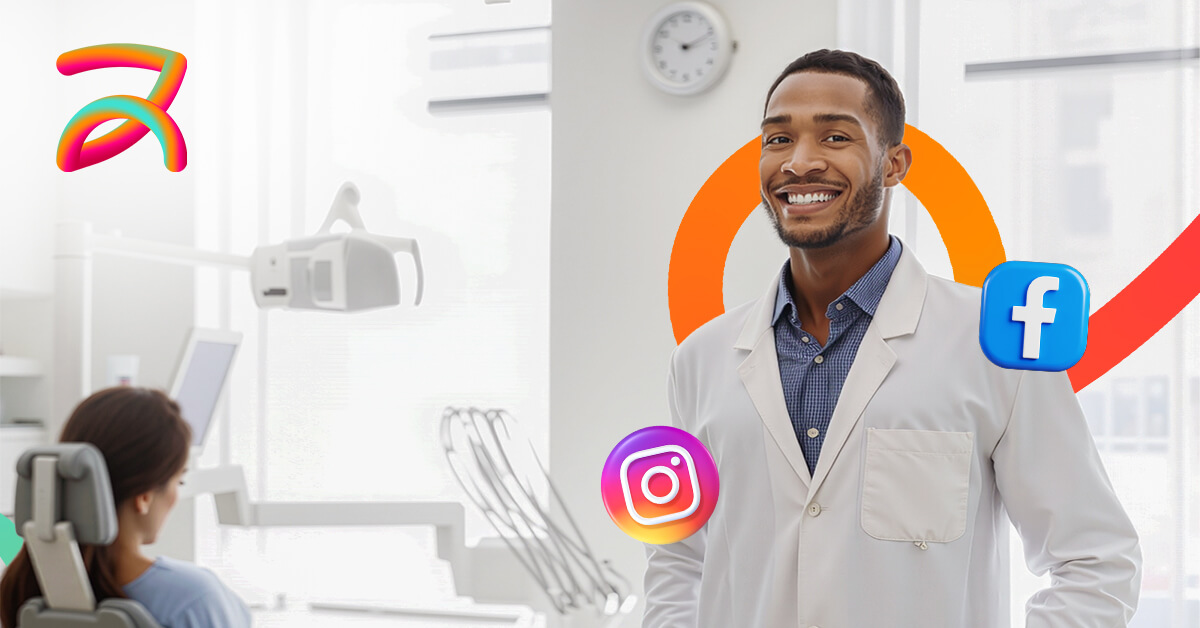
Dentists can post HIPAA-Compliant social media content, like sharing educational tips, behind-the-scenes moments, team introductions, clinic updates, dental myths, and simple procedure explainers that use models instead of real patients. They can also share before-and-after cases only when a patient signs a clear, written consent that meets HIPAA privacy requirements.
These content types remain secure because they avoid Protected Health Information (PHI) and maintain complete anonymity for every patient. HIPAA rules only become a problem when a post shows or hints at someone’s identity. When dentists focus on general education, clinic culture, and non-identifiable visuals, they stay compliant while still keeping their social feeds active. This balance helps the practice build trust, show real expertise, and connect with local patients without any privacy risks.
This guide walks you through the safest content ideas dentists can use without risking patient privacy. You’ll see how HIPAA rules apply to everyday posting, which mistakes to avoid, and what makes a post compliant. By the end, you’ll know exactly how to create social media content that is engaging, consistent, and fully HIPAA-Safe for your dental practice.
HIPAA-Safe Social Media Content Types for Dentists
| Content Type | Why It’s HIPAA-Safe | Posting Notes |
| Educational tips | No PHI or patient details involved | Keep examples general and avoid mentioning real cases |
| Behind-the-scenes | Shows tools, workspace, or team only | Make sure no patients appear in the background |
| Team introductions | Staff can be shown freely | Add role details, achievements, or fun facts |
| Clinic updates | Focuses on services, hours, or announcements | Avoid patient names, charts, or appointment details |
| Dental myths or facts | Purely educational content | Use diagrams or animations instead of real patient visuals |
| Procedure explainers | Uses models or illustrations | Never record real procedures without written consent |
| Authorized before/after | Allowed only with signed consent | Store consent forms securely and note the approval date |
Understanding HIPAA Rules for Dental Social Media
HIPAA rules apply to every post a dental practice shares online. These rules protect patient information and prevent any content that reveals who received care, what treatment they had, or when they visited. On social media, this means dentists must avoid anything that can identify a patient directly or indirectly.
Social media moves fast, and it is easy for a harmless post to accidentally show a patient in the background or mention something private. Even a small detail counts as Protected Health Information. When dentists understand how HIPAA works, they avoid risks that can damage trust or lead to penalties. Many clinics work with BUZZZ as we offer expert social media management for dentists, which is also HIPAA-Safe for dentists to keep their online presence safe and consistent.
Stay compliant by keeping patient areas out of photos, limiting what you record during clinical hours, and checking every post for anything that hints at a patient’s identity. Use models, graphics, or team-focused content when showing procedures. Follow a clear approval workflow so nothing goes live until someone confirms it meets HIPAA rules.
What is Protected Health Information (PHI)?
Protected Health Information (PHI) includes any detail that identifies a patient and links them to their dental care. This can be a name, face, voice, treatment plan, appointment time, insurance detail, or even a small background clue in a photo or video.
PHI matters because even one exposed detail can create a HIPAA violation. Many clinics accidentally reveal PHI through reflections, open charts, conversations, or people walking by during recordings. Knowing what counts as PHI helps your team avoid these mistakes.
You can keep PHI protected by:
- Keeping screens, charts, and files out of view
- Recording only in controlled, patient-free areas
- Avoiding real case mentions without consent
- Checking photos and videos for hidden identifiers
- Keeping treatment rooms off-limits during
What Dentists Must Never Post Without Authorization
Dentists should never post anything that shows or suggests a patient’s identity without written authorization. This includes photos, names, videos, treatment details, appointment stories, or anything that allows someone to recognize a patient.
Unauthorized sharing breaks HIPAA rules and damages patient trust. Even an innocent post can reveal identity through a face, name, schedule, or context. One slip can create complaints, penalties, and long-term reputation issues for the clinic.
Avoid posting without authorization:
- Photos or videos showing the patient
- Screenshots of chats, schedules, or notes
- Treatment outcomes tied to a real person
- “A patient visited today…” stories with clues
- Before-and-after results without signed consent
- Anything captured inside patient areas
When You Can Use Patient Photos or Stories (With Consent)
Dentists can share patient photos, stories, or before-and-after results only when the patient signs a clear written consent that allows the clinic to use their content online. The consent should explain exactly how the content will be used.
Consent protects both the clinic and the patient. It proves the patient understands where their image or story will appear. Without it, even a positive smile makeover post can break HIPAA rules if the patient is identifiable.
Safe ways to use patient content:
- Get written consent before recording or posting
- Explain which platforms will feature the content
- Store all consent forms safely
- Post only what the patient approved
- Respect boundaries if the patient limits usage
- Avoid using content in ads unless consent covers marketing
10 HIPAA-Safe Social Media Content Ideas for Dentists
Here are 10 HIPAA-safe Social Media content ideas that Dentists can safely post: educational oral care tips, dental myth-busting content, behind-the-scenes moments, team introductions, product recommendations, model-based procedure explainers, clinic updates, relatable posts, anonymous patient success stories, and authorized before-and-after results. All these ideas help you stay active online without exposing any Protected Health Information.
These ideas keep your content safe because they never involve real patient details. They focus on education, clinic culture, and simple visuals that your team can create anytime. This approach helps you stay active online, build trust with local patients, and show your expertise without any privacy risks. Each idea below gives you a clear way to post consistently while keeping every part of your social media fully HIPAA-compliant.
1. Educational Oral Care Tips
Sharing simple oral care tips is one of the safest and most effective content choices for dentists. These posts teach patients how to take care of their teeth without mentioning any real cases or personal details. You can talk about brushing habits, flossing techniques, gum health, cavity prevention, and common mistakes people make at home. Everything stays general, so there’s zero risk of revealing Protected Health Information.
Educational content matters because it positions your clinic as a trusted source of everyday guidance. People follow dental pages that help them solve small problems and understand their oral health better. These posts also perform well on platforms like Instagram and Facebook because they are easy to save, share, and revisit.
Helpful ideas you can post include:
- How to brush properly without damaging enamel
- Signs you need a cleaning or checkup
- Tips for managing tooth sensitivity
- What foods help protect your teeth
- How to care for kids’ teeth at different ages
- Daily routines that support long-term oral health
2. Dental Myths vs Facts
Myth-busting content lets you explain common misunderstandings about dental care without mentioning any real patient details. You can talk about whitening, flossing, braces, sensitivity, or cleanings in a simple way that clears confusion. Everything stays general, so there is no risk of exposing Protected Health Information.
These posts matter because many patients rely on social media or friends for dental advice. When you correct misinformation, you position your practice as a trusted source of clear guidance. You also make it easier for people to understand their oral health and feel more confident about treatment decisions.
Examples you can cover include:
- Whitening weakens teeth, and why it does not
- Bleeding gums mean stop brushing, and what it actually signals
- Braces are only for kids, and how adult orthodontics works
- Bad breath always comes from poor hygiene and other possible causes
- Flossing creates gaps, and the truth about flossing
3. Behind-the-Scenes at the Clinic
Behind-the-scenes content gives people a real look at your clinic without exposing any patient information. You can record simple moments like the team preparing instruments, setting up treatment rooms, checking digital tools, or organizing the sterilization area. These clips feel honest, friendly, and completely safe when you film in controlled spaces away from patients.
This type of content works because it shows the human side of your practice. Many patients feel nervous about dental visits, and a quick look behind the scenes helps them understand what happens before their appointment. It builds comfort and gives new followers a sense of what your clinic values.
Useful behind-the-scenes ideas include:
- Preparing rooms before the first appointment
- Unboxing or testing new dental equipment
- A look inside the sterilization workflow
- Daily routines your team follows
- A simple “day at the clinic” vlog
4. Meet the Team Introductions
Team introduction posts are one of the easiest ways to build trust without sharing any patient information. You can highlight your dentists, hygienists, assistants, reception staff, and even lab partners. Each introduction can share who they are, what they do, and a few personality details that help patients feel more comfortable before visiting the clinic.
These posts matter because most people want to know the faces behind their dental care. When they see friendly, confident team members online, they feel more at ease scheduling an appointment. It also helps your practice stand out, especially in competitive areas where clinics offer similar services. A warm introduction goes a long way in building familiarity and comfort.
Team introduction ideas you can use:
- Short profile videos with name and role
- A “meet our hygienist” or “meet our assistant” spotlight
- Fun facts, hobbies, or a quick Q&A
- Team celebrations, birthdays, or work anniversaries
- Staff sharing their favorite dental care tips
5. Product Recommendations and Tool Explanations
Product recommendation posts help your audience understand which items support good oral health and why. You can talk about toothbrushes, floss types, mouthwash options, tongue cleaners, fluoride products, or even tools used in the clinic. Since these posts focus on general advice, they never involve patient information and stay completely HIPAA-safe.
These posts work because patients often get confused by the number of dental products available. A simple explanation from a trusted dentist helps them choose the right items and avoid harmful ones. It also builds authority and positions your clinic as a reliable source of everyday guidance. When people know what to buy and how to use it, they feel more confident in their oral hygiene routines.
Ideas for product recommendation content:
- Best toothbrushes for sensitive teeth
- Manual vs electric toothbrush benefits
- Which floss works best based on spacing
- Mouthwash options and what each one helps with
- Tools used during cleanings and what they do
- Your favorite products for kids’ oral care
6. Procedure Explanations Using Models or Animations
Procedure explanation posts help patients understand treatments without exposing any real patient information. Instead of recording live procedures, you can use dental models, diagrams, 3D animations, or simple illustrations. These tools let you explain fillings, cleanings, crowns, implants, aligners, and whitening in a safe and clear way.
This type of content matters because many patients feel nervous about dental treatments simply due to a lack of understanding. When you break down a procedure with a model or animation, it becomes easier to follow and less intimidating. You educate your audience, build authority, and reduce fear at the same time. The best part is that everything stays HIPAA-compliant because no real patient is ever shown.
Ideas for model-based or animated explanations:
- How a cavity forms and how a filling works
- The steps involved in a professional cleaning
- How dental sealants protect kids’ teeth
- What happens during a root canal
- How clear aligners move teeth over time
- Why digital impressions replace traditional molds
7. Clinic Announcements and Updates
Clinic announcements keep your audience informed without risking any patient privacy. You can share updates about new services, extended hours, equipment upgrades, team achievements, insurance changes, or holiday schedules. These posts help patients stay connected to your practice and understand what’s new, all without revealing Protected Health Information.
This content works because it shows your clinic is active, organized, and always improving. People appreciate transparency, especially when it comes to new treatments or convenience-based updates. These posts also tend to attract more serious, ready-to-book patients who value a modern and responsive dental practice. To reach high-value patients more effectively, explore how dental Instagram ads target high-value patients, where the right audience strategy can amplify the impact of your updates.
Announcement ideas you can post:
- New technology or equipment has been added to the clinic
- Updated working hours or weekend availability
- New staff members joining the team
- Special offers or limited-time packages
- Participation in community events
- New insurance plans accepted
8. Fun, Relatable Content (Polls, Quizzes, Light Humor)
Fun, relatable content helps your audience connect with your clinic simply and naturally. You can use polls, quizzes, light humor, everyday dental situations, and short interactive questions that encourage people to respond. Since this content is general and never tied to real patients, it stays fully HIPAA-compliant while still keeping your page active.
This type of content works because people enjoy posts they can participate in. A quick poll or a simple question gets more engagement than traditional educational posts. It also makes your clinic feel friendly and approachable, which helps reduce anxiety around dental visits and builds stronger community relationships.
Ideas for fun and relatable content include:
- Polls such as “Do you brush before breakfast or after?”
- Quizzes like “How long should you replace your toothbrush?”
- Short questions about daily habits or routines
- Simple “this or that” comparisons (manual vs electric brush)
- Light jokes or observations about common dental habits
- Interactive posts where followers can share their own tips
9. Anonymous Success Stories (No Identifiers)
Anonymous success stories allow you to highlight real improvements without revealing who the patient is. You can talk about a case in simple terms, such as someone overcoming gum issues, reducing sensitivity, completing aligner treatment, or improving oral hygiene. As long as you avoid names, photos, dates, and specific identifiers, the content stays completely HIPAA-Safe.
These stories matter because people want proof that your treatments actually work. When they see real outcomes explained in a general way, it builds trust without risking privacy. Anonymous stories also help potential patients understand what results they can expect, especially if they are unsure about booking an appointment.
Ways to share anonymous success stories:
- General descriptions of improved oral health
- A simple explanation of what the patient achieved
- Before-and-after concepts are described with no images
- A short outline of the treatment steps involved
- Insights the patient gained from your guidance
- A positive result was presented as “a recent case in our clinic.”
10. Authorized Before/After Cases (With Written Consent)
Before and after results are powerful content, but they must always be shared with written patient consent. When a patient signs a clear form that allows you to post their photos, you can highlight smile makeovers, whitening results, aligner progress, and other visual treatments. With proper consent, these posts stay HIPAA-compliant and help people understand the quality of your work.
This type of content works because it shows real, measurable improvements. Patients often base decisions on visual results, and before-and-after posts give them the confidence to move forward with treatment. These posts also attract motivated patients who are already considering cosmetic or restorative procedures and need reassurance about the process.
Safe ways to use before-and-after content:
- Get signed consent before taking or posting photos
- Use only the angles and images that the patient approved
- Avoid adding details about the visit unless included in consent
- Store consent forms securely for future reference
- Keep the focus on results, not personal information
- Showcase improvements using clear, well-lit photos
What Dentists Should Avoid on Social Media to Stay HIPAA-Compliant?
Dentists should avoid posting anything that can reveal who a patient is, even indirectly. This includes faces, voices, names, charts, screens, treatment details, appointment information, or any background element that connects a person to their visit. Any identifiable detail becomes a HIPAA risk, even if it appears unintentionally in a photo or video.
This matters because social media spreads fast, and a single mistake can damage trust. Many privacy issues happen by accident, not on purpose. A reflection in a mirror, a chart on a counter, or a name on a monitor can expose Protected Health Information without anyone noticing. Understanding what to avoid helps your clinic stay safe and maintain a professional online presence.
To stay compliant, record only in controlled, patient-free areas. Remove screens, schedules, and files before filming. Keep all stories and explanations general unless you have signed consent. Review every photo or video before posting to confirm there are no visible identifiers or details tied to real patients. When the entire team follows the same approach, your content remains clean, safe, and fully aligned with HIPAA requirements.
How Dentists Can Build a HIPAA-Compliant Social Media Workflow
Dentists can build a HIPAA-compliant workflow by setting clear rules for where filming is allowed, deciding who approves content before posting, and reviewing every photo or video to make sure no patient information appears. With these steps in place, the entire team follows one safe process that keeps all social media content fully compliant.
This matters because most privacy mistakes happen when someone records quickly or posts without reviewing the content. A proper system removes guesswork and prevents surprises. Many dental practices also work with BUZZZ, where we offer HIPAA-Safe professional social media management services to make the process easier and safer for everyone involved.
To build a clean workflow, start by creating rules that your entire team understands. Decide where filming is allowed, who approves content, and how you check for Protected Health Information. Use written consent forms for patient-related content and limit recordings to patient-free areas. When everyone follows the same path, your social media stays safe and professional.
Create a Written Policy for Your Team
A written social media policy gives your team clear instructions on what they can and cannot post. It explains where filming is allowed, which topics are safe, and how to avoid revealing patient information. When the rules are written down, everyone follows the same standard.
A policy matters because confusion leads to mistakes. When staff know exactly how to handle content, they work confidently and avoid risky habits.
Your policy should include:
- Approved filming areas
- Topics your clinic allows
- Privacy rules for every type of content
- A simple approval process before posting
Use Consent Forms for Any Patient-Driven Content
Consent forms protect both the patient and the clinic. When a patient signs written consent, they give permission for their photos, videos, or stories to appear online. Without consent, you cannot use anything that shows or references a real patient.
Consent matters because it prevents misunderstandings and keeps you fully compliant with HIPAA. Patients stay in control of their information, and your clinic stays protected.
Your consent process should include:
- Clear permission for photos or videos
- A description of where the content will appear
- Patient signature and date
- Secure storage of all forms
Keep Phones Away from Clinical Areas
Keeping phones out of patient areas helps prevent accidental exposure of Protected Health Information. Treatment rooms, hallways, and check-in areas often contain charts, screens, or conversations that reveal private details. Avoiding recordings in these spaces keeps everything safe.
This rule matters because most accidental violations happen in the background of quick photos or videos.
To follow this safely:
- Record only in designated, patient-free zones
- Check the background before filming
- Keep all clinical charts and screens out of sight
Final Thoughts
Staying active on social media is easy when your dental practice focuses on safe, general content that never reveals patient details. With the right ideas and a clear workflow, you can build trust, educate your audience, and grow your online presence without any HIPAA risks. Consistency, transparency, and careful posting keep your clinic professional while still feeling friendly and approachable.
🎯 How Buzzz Can Help You?
Get expert help creating HIPAA-safe content that builds trust and attracts the right patients without risking privacy.
Schedule Your HIPAA-Safe Social Appointment →