
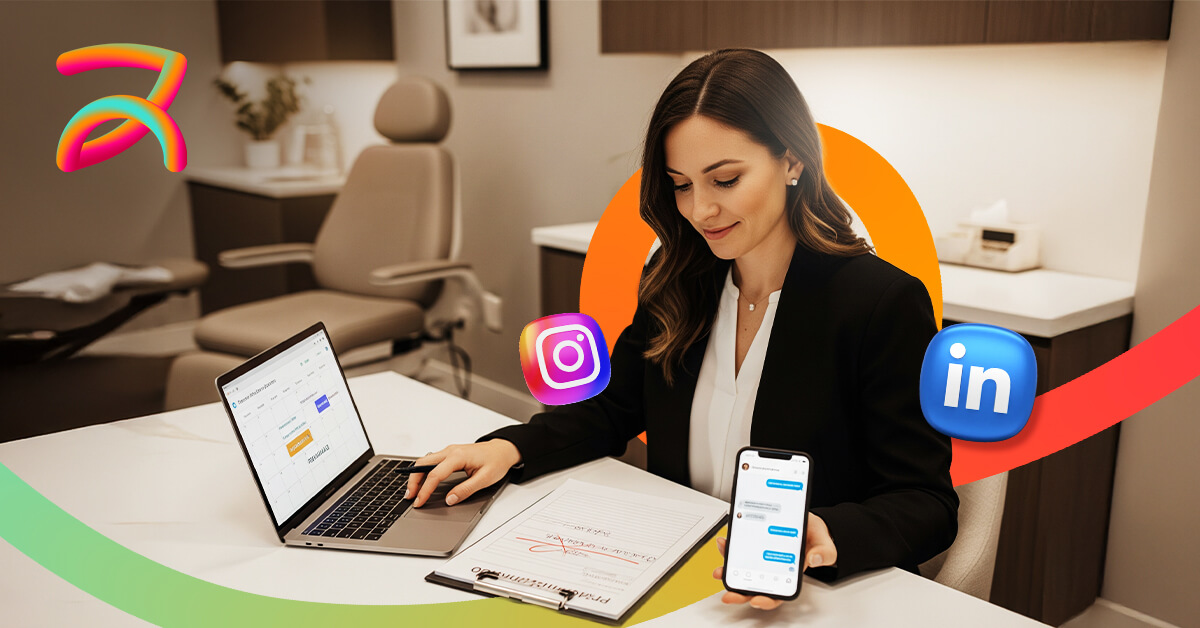
Missed cosmetic surgery appointments happen when clinics rely on generic reminders, weak follow-ups, and disconnected communication. Social media management strategies fix these issues by combining timely reminders, personalized messaging, trust-building content, and smart technology. This approach keeps patients informed, confident, and committed to their appointments.
Missed appointments do more than leave empty slots. They interrupt clinic workflows, reduce revenue, and weaken patient relationships. Most no-shows happen because patients feel unsure, forget appointments, or face friction when confirming or rescheduling. When clinics communicate clearly across multiple channels and build trust before the appointment, patients feel supported and show up prepared.
In this guide, you’ll learn:
- How multi-channel reminders reduce cosmetic surgery no-shows
- Why personalized communication improves attendance and trust
- How to follow up after a no-show without losing the patient
- How social media builds confidence before consultations
- How technology connects reminders, bookings, and follow-ups
Key Factors Behind Missed Cosmetic Surgery Appointments
| Issue | What it does | Impact |
| Generic reminders | Patients overlook or ignore messages | Appointments feel unimportant |
| One-way communication | Patients cannot confirm or reschedule easily | Delays turn into no-shows |
| Lack of trust-building content | Patients feel unsure or anxious | Hesitation replaces commitment |
| Poor follow-up after no-shows | Patients feel disconnected | Missed visits repeat |
| Disconnected systems | Messages, bookings, and reminders do not align | Confusion increases drop-offs |
How Can Multi-Channel Reminders Reduce Missed Cosmetic Surgery Appointments?
Multi-channel reminders reduce missed cosmetic surgery appointments by reaching patients where they already pay attention. Some patients respond faster to text messages, others prefer email, and some still rely on phone calls. When clinics use more than one channel, reminders stay visible, timely, and hard to miss. This approach keeps appointments top of mind and makes it easier for patients to confirm, reschedule, or ask questions before the appointment date.
For cosmetic surgery, reminders do more than just notify. They reduce anxiety, reinforce commitment, and remove friction that often leads to no-shows. Automated reminders also create consistency, so patients receive the same clear information every time without relying on staff availability. When patients feel informed and supported, they are far more likely to show up prepared and on time.
According to Proactive Chart, multi-channel reminders using text, email, and phone calls can reduce missed appointment rates by up to 50-70%. This happens because patients receive multiple prompts through their preferred communication methods, which increases visibility and accountability before the scheduled consultation.
SMS and Email Reminders
SMS and email reminders work well because they deliver quick, clear messages directly to the patient. These reminders give patients control by allowing them to confirm, cancel, or reschedule without needing to call the clinic. When clinics make actions simple, patients respond faster and no-shows drop.
- Send short, clear messages with appointment details
- Include direct confirmation or rescheduling options
- Reduce missed appointments caused by forgetfulness
- Lower staff workload by automating routine follow-ups
- Keep communication consistent and professional
By giving patients easy ways to respond, SMS and email reminders turn passive notifications into active confirmations that protect the clinic’s schedule.
Phone Calls for Key Patients
Phone calls add a personal layer that automated messages cannot replace. First-time patients, high-value procedures, or anxious clients often need reassurance before committing to their appointment. A short call helps answer concerns and reinforces trust.
- Prioritize first-time and high-ticket consultations
- Address last-minute questions or hesitations
- Build personal connection and confidence
- Reduce uncertainty that leads to cancellations
- Reinforce the importance of attending the consultation
When clinics use phone calls strategically, they prevent silent no-shows and strengthen patient relationships before the visit even happens.
Tailored Timing of Reminders
Timing matters just as much as the message itself. Sending reminders too early leads to forgetfulness, while sending them too late leaves no room for adjustments. Clinics that follow a structured reminder schedule see better attendance.
- Send the first reminder 48 hours before the appointment
- Send a second reminder 24 hours before the appointment
- Allow enough time for rescheduling if needed
- Reduce last-minute cancellations and gaps
- Keep appointments visible without overwhelming patients
Well-timed reminders respect the patient’s schedule while giving clinics enough notice to manage changes efficiently.
Clinics using multiple direct messaging platforms often see reminders get lost or become confusing. Our guide explains why multi-platform DMs break cosmetic surgery booking flow and how to fix it.
Why Is Personalized Communication Crucial for Cosmetic Surgery Patients?
Personalized communication matters in cosmetic surgery because patients do not see the process as a routine appointment. They make emotional, financial, and personal decisions based on trust, clarity, and feeling understood. When clinics tailor communication to individual goals, concerns, and expectations, patients feel safer, more confident, and more committed to showing up.
Generic messages often fail because cosmetic surgery clients want reassurance that the clinic understands their specific needs. Personal communication helps set realistic expectations, reduces anxiety, and turns the consultation into a guided decision instead of a sales interaction. When patients feel heard, they stay engaged and follow through.
According to the Zipdo Education Report 2025, 74% of patients want more personalized communication from their healthcare providers. This shows that personalization is no longer optional. Patients expect clinics to recognize them as individuals, not appointment slots.
Include Patient Names and Details
Using patient names and specific details makes communication feel human and intentional. Personalized messages show that the clinic remembers who the patient is and why the appointment matters to them, which increases trust and responsiveness.
- Address patients by name in all messages
- Reference the specific procedure or consultation type
- Acknowledge prior conversations or questions
- Avoid copy pasted or generic reminder language
- Reinforce that the appointment fits their personal goals
When clinics speak directly to the patient, messages feel relevant instead of automated, which increases confirmation and attendance rates.
Accessibility Considerations
Patients differ in how they prefer to communicate and how easily they process information. Clinics that adapt their communication style remove barriers that often lead to confusion or missed appointments.
- Adjust tone and clarity based on patient comfort
- Offer multiple communication options when possible
- Keep language simple and easy to understand
- Respect cultural or language preferences
- Reduce overwhelm by sharing only essential details
Accessible communication helps patients feel supported rather than pressured, which leads to better engagement and follow-through.
Behavioral Insights
Past behavior offers valuable clues about how patients respond to reminders and follow-ups. Clinics that use these insights communicate more effectively and prevent repeat no-shows.
- Identify patients who often reschedule or miss visits
- Adjust reminder timing for high-risk no-shows
- Add personal follow-ups when patterns repeat
- Reinforce commitment before the appointment date
- Use history to guide tone and frequency
When clinics align communication with patient behavior, reminders feel helpful instead of intrusive, and attendance improves naturally.
How Should Clinics Follow Up After a Cosmetic Surgery No-Show?
Clinics should follow up with cosmetic surgery no-shows quickly and thoughtfully. The goal is not to blame the patient, but to keep the relationship intact while recovering lost opportunities. A short message through text, email, or a call that acknowledges the missed appointment, checks for issues, and offers an easy way to reschedule works best. For repeat no-shows, clinics should also rely on a clearly communicated no-show policy, such as deposits or fees, to protect time and revenue.
Many no-shows happen due to anxiety, confusion, scheduling conflicts, or second thoughts rather than lack of interest. A calm, empathetic follow-up reassures patients that the clinic understands these concerns and is still there to help. This approach keeps the door open for rebooking while preserving trust and professionalism.
According to a 2025 study by Chay AI on patient engagement platforms, clinics using automated multi-channel reminders and educational follow-ups reduced appointment no-shows by 64%. This proves that proactive, well-timed follow-up is one of the most effective ways to improve attendance and reduce revenue loss.
Gentle, Non-Accusatory Messaging
The tone of follow-up messages plays a major role in whether a patient responds. Messages that feel judgmental or pushy often lead to disengagement, especially in cosmetic care where emotions run high.
- Acknowledge the missed appointment without blame
- Use calm and supportive language
- Avoid mentioning penalties in the first follow-up
- Reinforce that the clinic is available to help
- Keep messages short, clear, and respectful
When patients feel respected instead of pressured, they are more likely to respond and rebook. A gentle approach strengthens trust and maintains a positive patient relationship.
Offer Rescheduling Links
Rescheduling should be as easy and frictionless as possible. Patients are more likely to rebook when they can quickly pick a new date without waiting on phone calls or emails.
- Include direct online booking links
- Allow patients to choose dates and times themselves
- Ensure the system is mobile-friendly and confirms bookings instantly
Convenience transforms missed appointments into recovered bookings, minimizing lost revenue and keeping patients engaged.
Wellness Check Framing
Positioning follow-ups as care-focused check-ins shifts the focus from the missed appointment to patient support. This encourages patients to be honest about concerns and provides insight into potential barriers.
- Ask if everything is okay after the missed visit
- Invite patients to share concerns or hesitation
- Identify barriers that caused the no-show
- Show care beyond the transaction and use feedback to improve communication
When follow-ups feel supportive, patients stay engaged, feel cared for, and are more likely to continue their treatment journey.
How Can Social Media Build Trust and Boost Cosmetic Surgery Appointments?
Social media builds trust in cosmetic surgery by showing real expertise and authentic clinic life. Before-and-after photos, patient videos, and testimonials let clients see results, live Q&A sessions about procedures and recovery. Sharing behind-the-scenes moments humanizes the clinic and makes surgeons appear approachable and credible. Consistently posting informative, visually engaging content helps clinics connect ethically and effectively.
Interactive content strengthens trust further. Live Q&A sessions, polls, and direct responses make patients feel supported. Combining educational material with patient journeys and authentic practice highlights helps clients understand procedures realistically and see the surgeon as a knowledgeable guide.
According to MedSurge Digital Marketing Trends 2025, nearly 40 % of cosmetic surgery leads come from social media. Compelling visuals, patient success stories, and informative content capture attention and convert engagement into consultations, proving social media is a strong tool for trust and bookings.
Patient Testimonials and Before/After Stories
Patient testimonials and before-and-after stories are some of the strongest ways to build confidence and trust. They show real outcomes and humanize the patient experience, helping prospective clients feel reassured about the clinic’s capabilities.
- Share honest before-and-after results to set realistic expectations
- Include short patient quotes or video testimonials highlighting their journey
- Highlight different procedures to appeal to various potential clients
- Use social proof to show expertise and results consistently
When patients see real stories from real people, they feel more confident and trust the clinic, increasing the likelihood of booking a consultation.
Cosmetic surgeons have busy schedules, making it difficult to manage social media alongside patient care. Our strategic social media management for cosmetic surgeons is designed to help share patient stories professionally and achieve better engagement without added workload.
Interactive Engagement
Engaging directly with followers makes potential patients feel seen and heard. Interactive formats like live Q&As, polls, or stories let clinics address questions in real time and build a sense of community.
- Host live Q&A sessions about procedures, recovery, and expectations
- Use polls or quizzes to educate and involve the audience
- Respond promptly to comments and DMs to show attentiveness
- Encourage follower participation to strengthen community ties
Active engagement not only educates but also positions the clinic as approachable, boosting credibility and patient trust.
Hashtag and Trend Strategy
Using hashtags and trends strategically increases visibility while ensuring the clinic reaches potential clients searching for relevant content. Staying visible in searches and feeds helps clinics connect with serious leads looking for information and results.
- Research and use relevant hashtags for procedures, location, and patient concerns
- Follow platform trends that align with clinic messaging without sacrificing professionalism
- Combine trending formats with educational or testimonial content
- Maintain consistent posting to stay top-of-mind
By pairing visibility tactics with educational content, clinics attract the right audience and build trust, ultimately driving more appointments.
How Does Technology Integration Improve Cosmetic Surgery Bookings?
Integrating technology into cosmetic surgery clinics improves bookings by enhancing the patient experience and streamlining operations. Tools like AI-driven platforms, 3D imaging, and telehealth allow clinics to operate efficiently, provide personalized care, and reduce no-shows. Automation helps capture leads and keeps patients engaged, ensuring they can easily book or reschedule appointments at any time.
Data-driven systems give clinics actionable insights into patient behavior and appointment patterns. By monitoring engagement, attendance, and response rates, clinics can fine-tune reminders, follow-ups, and messaging to maximize bookings. Technology ensures that each patient receives timely, relevant communication without overloading staff.
Managing patient engagement and clinic data can be tricky and time-consuming, as cosmetic surgeons already have busy schedules and many responsibilities. Our strategic social media management services are designed to handle this for cosmetic surgery practices, turning insights into better content and bookings without adding extra work.
Smart Scheduling Tools
Smart scheduling tools allow clinics to coordinate appointments automatically, reducing confusion and missed bookings. They connect reminders, calendar slots, and patient notifications in one system, making it easier for staff to manage multiple patients efficiently.
- Automate appointment confirmations and reschedules
- Sync with multiple platforms (SMS, email, phone calls)
- Reduce double-booking and scheduling errors
- Allow patients to view and manage their own appointments
- Free staff time for patient care
By keeping schedules accurate and communication seamless, smart scheduling ensures patients feel informed and confident, which directly reduces no-shows.
Data-Driven Insights
Using data analytics, clinics can understand which patients respond to reminders, who frequently reschedules, and which communication channels work best. Insights from this data help tailor messages and improve patient engagement.
- Identify patients at high risk of missing appointments
- Adjust reminder frequency and timing based on past behavior
- Determine the most effective communication channel for each patient
- Track trends in attendance to improve workflow
- Measure engagement to optimize content and follow-ups
Data-driven strategies let clinics act proactively instead of reactively, improving patient retention and satisfaction.
Continuous Optimization
Continuous optimization ensures clinics stay responsive to patient behavior. By monitoring results and making small adjustments regularly, clinics improve booking efficiency and patient experience.
- Test and refine reminder timing (e.g., 48 hours vs. 24 hours)
- Evaluate which channels (SMS, email, calls) generate the best response
- Adapt messaging based on patient feedback and engagement
- Implement iterative improvements for scheduling and follow-up processes
- Reduce friction points that cause cancellations or no-shows
Ongoing optimization ensures the clinic’s system evolves with patient needs, creating a smooth, reliable booking process that keeps more appointments confirmed.
Conclusion
Missed cosmetic surgery appointments disrupt clinic workflow and reduce revenue, but five key strategies can solve this problem. Multi-channel reminders ensure patients see timely prompts. Personalized communication builds trust and addresses individual needs. Thoughtful follow-ups recover no-shows while maintaining a caring tone. Trust-building social media content showcases expertise and reassures patients. Technology integration streamlines scheduling, communication, and data tracking.
Together, these strategies turn potential cancellations into confirmed bookings, strengthen patient relationships, and create a smoother, more efficient clinic experience. By combining human-centered communication with smart systems, clinics can reduce no-shows, improve satisfaction, and grow their practice reliably.
🎯 How BUZZZ Can Help You?
Let BUZZZ manage your cosmetic surgery social media with a trust-first approach that educates patients, builds confidence, and supports consistent consultation.
Book Your Social Media Strategy Appointment →